Overlake Is Bellevue's Hospital. Understanding How to Use It Well Is a Public Service
Opened in 1960 and now a 349-bed nonprofit medical center, Overlake anchors Eastside emergency and specialty care — if residents know what it offers before they need it.
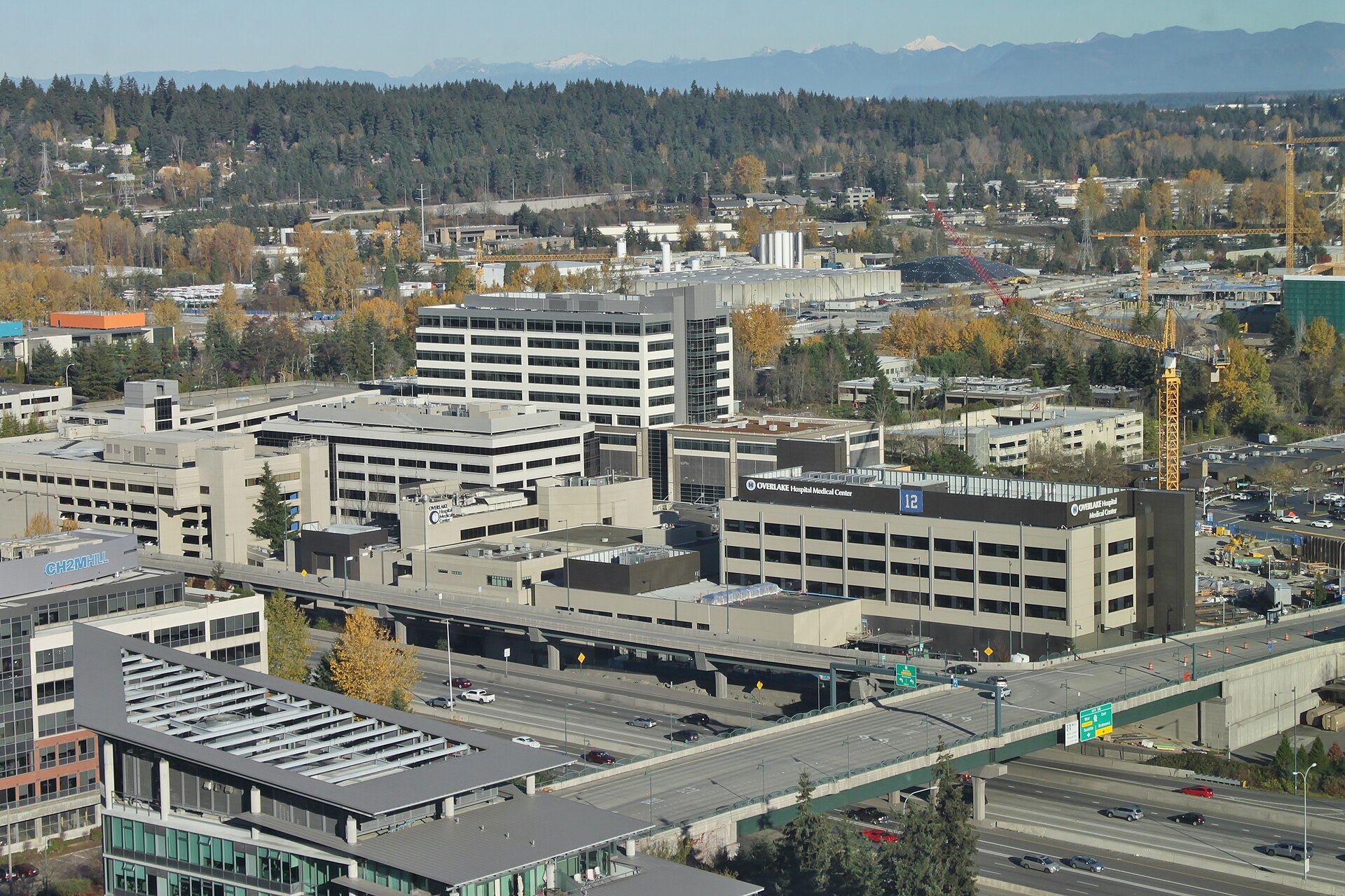
Most Bellevue residents think about Overlake Medical Center only at the moment they need it, which is the worst possible time to learn how a hospital works. Overlake, at 1035 116th Avenue Northeast, is the city's hospital: a nonprofit community medical center founded in 1960, operating a Level III trauma center and emergency department, with services spanning cardiac care, surgery, cancer care, women's and children's services and behavioral health. An investigations desk that covers institutions should start with the one residents will all eventually use.
The first practical distinction is level of care. A Level III trauma center is equipped to assess, stabilize and treat seriously injured patients and to transfer those needing highly specialized intervention. For everyday emergencies — chest pain, stroke symptoms, serious injury — the correct action is not research. It is calling 911 and letting the emergency system route the patient. The time to understand Overlake's role is now, calmly, not from an ambulance.
The second is the difference between the hospital and its clinics. Overlake Medical Center and Clinics operates primary, urgent and specialty care locations across the Eastside, in Bellevue and neighboring communities. Urgent care is designed for problems that need same-day attention but are not emergencies; primary care is the ongoing relationship that keeps small problems small; and specialty clinics handle referred, focused care. Using the right door first usually means faster care and a less crowded emergency department for those who truly need it.
Cost transparency is the third, and the area where scrutiny belongs. Federal rules require hospitals to publish standard charges and negotiated rates in accessible formats, and Overlake, like its peers, posts pricing information that patients can review before planned care. In practice those files are difficult for a layperson to use. Bellevue Eastside News will treat that gap — between formal transparency and usable transparency — as an ongoing subject, and will explain, in plain language, how a Bellevue patient can obtain an estimate before a scheduled procedure.
A hospital is civic infrastructure in the same sense as a water system: invisible when it works, decisive when it doesn't. Our coverage will follow Overlake's capacity, its emergency readiness through the winter illness season, and the questions residents actually ask — starting with the simplest one we heard while preparing this piece: in an emergency, where do we go? Now you know. Plan the rest before you need it.