Free, 53 Acres and Open Daily: Bellevue Botanical Garden Is the City's Quiet Classroom
From the Yao Garden to the Ravine Experience suspension bridge, Bellevue Botanical Garden teaches Northwest gardening on 53 acres — with free admission.
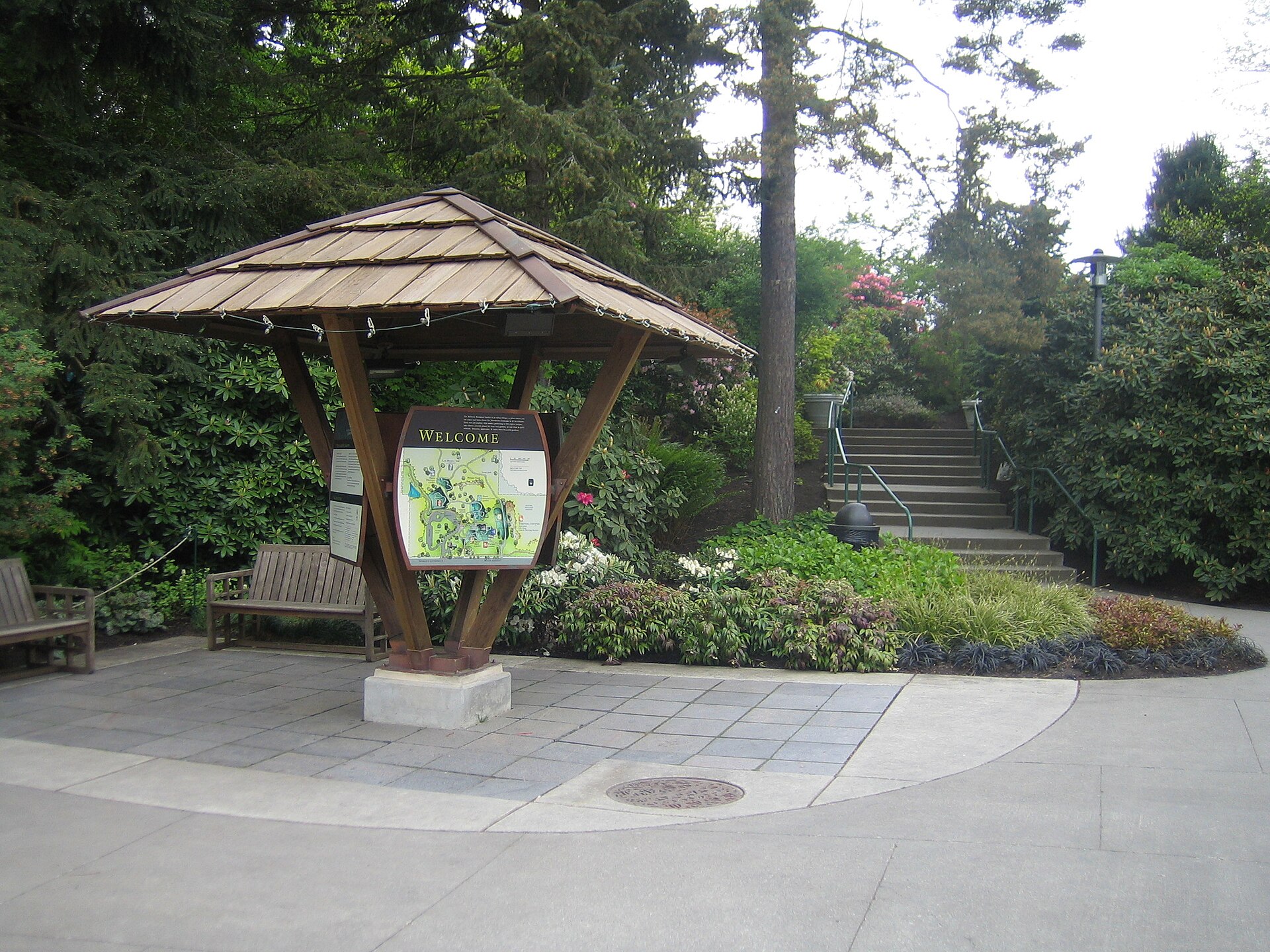
Bellevue Botanical Garden, at 12001 Main Street, is one of the easiest recommendations in the city to make and one of the hardest to exhaust. The garden covers 53 acres of cultivated display gardens, woodland and wetlands east of downtown, admission is free, and it is open daily from dawn to dusk. What began with a gift of land in the early 1980s opened as a public garden in 1992 and has grown section by section ever since.
The garden is really many gardens. The Yao Garden is a Japanese-style garden drawing on plants of the Pacific Northwest, Japan and the wider Pacific Rim. The Perennial Border shows how layered plantings carry color and structure through the seasons. There are also a Fuchsia Garden, a Native Discovery Garden, a Waterwise Garden, Rhododendron Glen and the Lost Meadow Trail, each making a different argument about what a Northwest garden can be.
The Ravine Experience adds drama to the walk. A suspension bridge crosses a forested ravine, shifting the visitor's view from ground-level planting beds to the canopy and the slope below. It is a reminder that the garden is not only about cultivated beds. Much of its value lies in the woodland and wetland ground that surrounds the formal displays and supports a quieter kind of visiting.
November rewards a different kind of attention. Evergreen structure, bark, seed heads and the last autumn color matter more than flowers, and wet paths require sensible shoes. Gardeners who visit in the off-season often learn the most, because a planting that still looks composed in late fall is doing real design work rather than relying on a brief bloom.
For Bellevue residents, the garden is also a practical resource: a living reference for plant choices, water-wise habits and shade gardening under Northwest trees. Bring a notebook, take photographs of plant combinations rather than single flowers, and leave time to simply sit. The garden asks for slowness, and gives it back.